As an Amazon Associate, this website earns from qualifying purchases.
The short answer
Choose Honda EU2200i for a light 120 V plan, EU3200i for more output in a carryable case, or Champion 201176 for a larger fuel-specific 120/240 V plan. Check starting loads and the home connection first. Engine portables belong outdoors, at least 20 feet from homes, with exhaust facing away.
The best inverter generator meets two load needs. Rated output covers the loads you keep on. Its brief peak output must cover their motor starts. The word inverter describes its output system. It does not tell you whether it supplies 240 V, fits in your car or stays quiet at a high load.
This shortlist covers three distinct home-outage plans. Each pick uses exact US maker specs. We have not tested the equipment or promised that a named appliance will start. For the broader choice between stored power and fuel engines, read our home backup comparison.
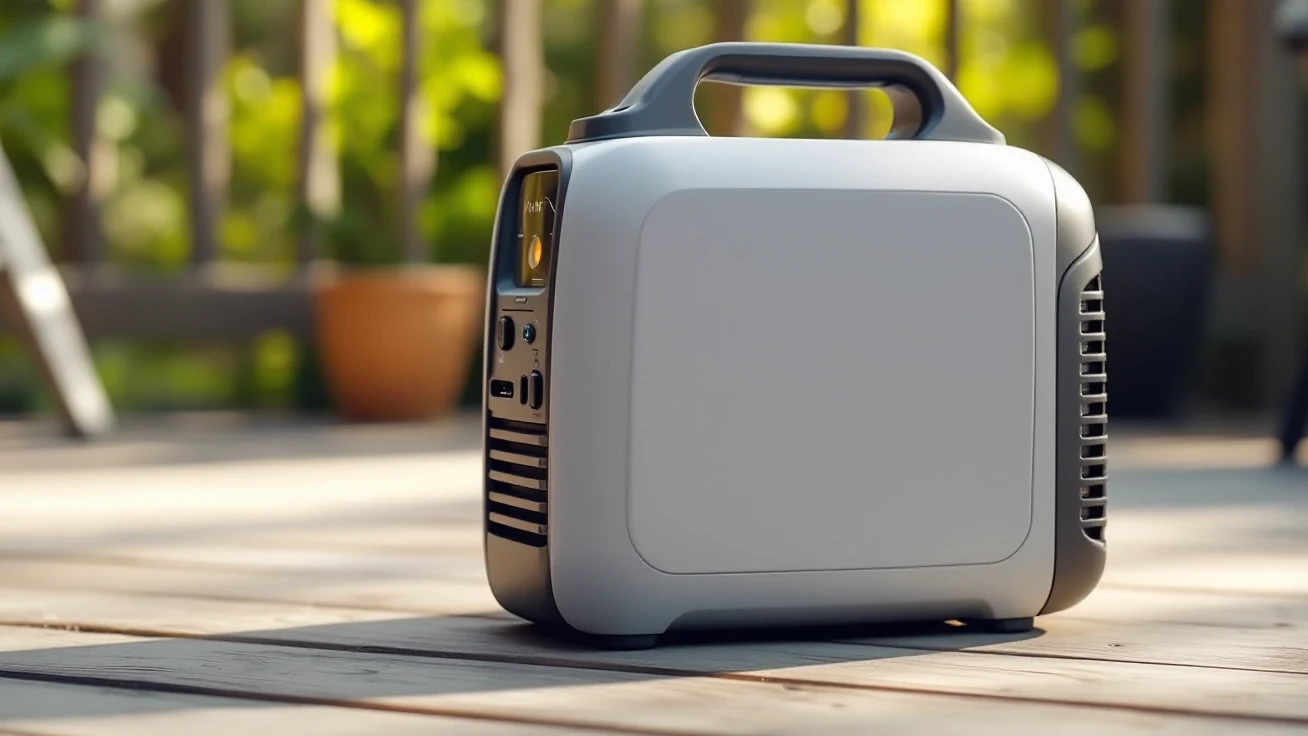
The EU2200i suits a small set of plug-in essentials. Keep their combined load within its limits. Honda lists 1800 W rated and 2200 W maximum output, at 120 V. Compare running demand with rated output.
Check motor starts against the short-term limit. Don't build a load plan from the 2200 number alone. Honda's exact EU2200i page supplies those figures.
The limitation is capacity and voltage. This is not a 240 V source for a typical hardwired pump. Its parallel ability also needs the exact supported equipment. For a lighter-load shortlist with fuel alternatives, see our small inverter choices. Choose this model for a verified narrow task, not a whole-home promise.
Honda's EU3200i provides 2600 W rated and 3200 W maximum output, still at 120 V. That gives more rated room than the EU2200i, but it does not add a 240 V outlet. Its dry weight is 59.1 lb.
Check whether you can lift that weight. A handle does not prove you can. See Honda's EU3200i specs.
The EU3200i has fuel injection, but it still uses recoil start. Bluetooth functions do not mean every generator with an app has remote electric start. Read the actual feature list rather than transferring features between models. Its main drawbacks here are greater carrying weight and continued 120 V-only output. A larger watt number won't solve a voltage mismatch.
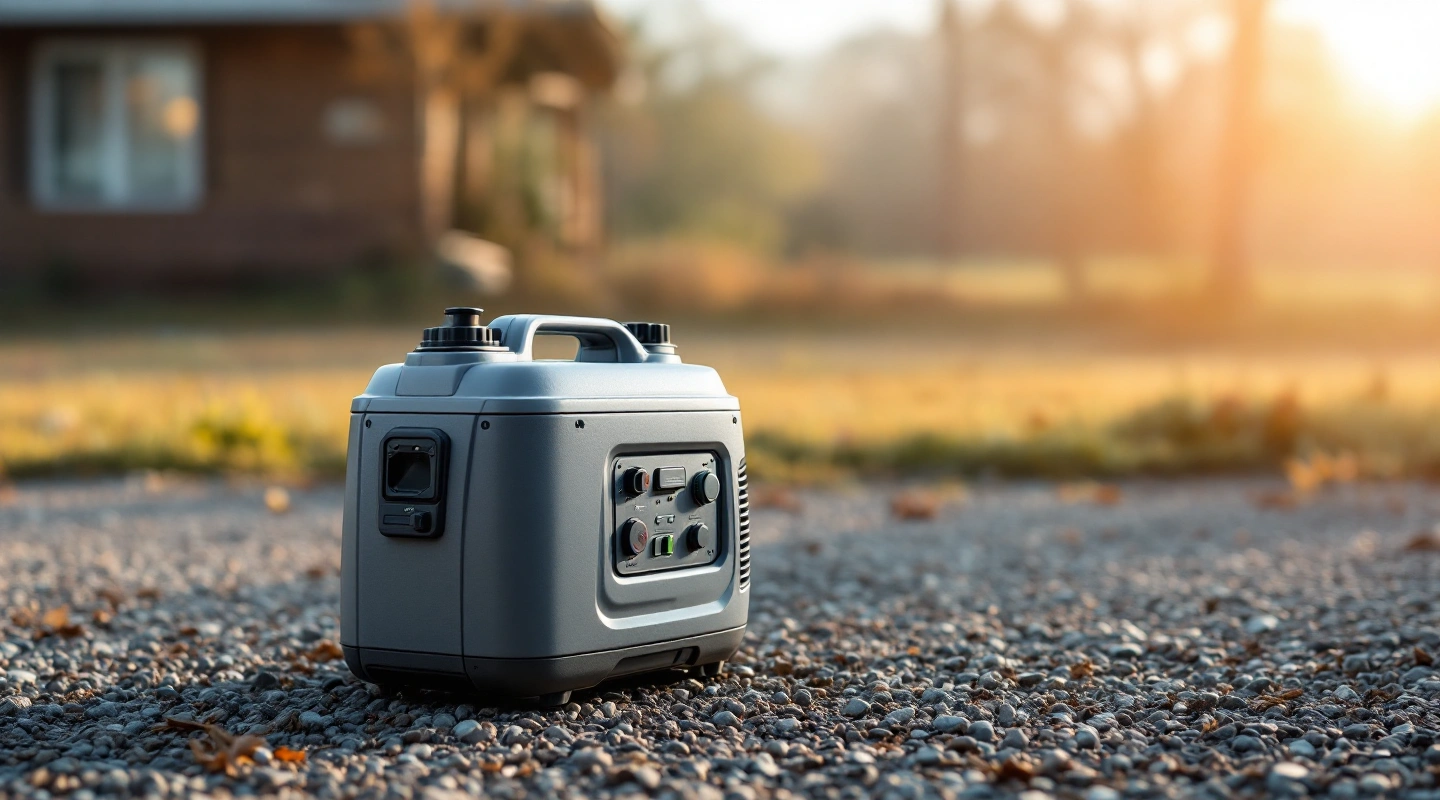
The 201176 supplies 120/240 V and runs on gasoline or propane, as well as natural gas. Its rated output is 7250 W on gasoline, 6525 W on propane and 5875 W on natural gas. Use the applicable fuel rating when you calculate remaining capacity. A gasoline load plan may not fit after a switch to another fuel. These are the figures on the Champion 201176 page.
Natural-gas use adds a supply design task. The included hose is not a substitute for suitable pressure, flow and a safe connection. Don't improvise a gas installation. If you only need a fridge and a few lights through cords, a much smaller generator may fit the job. If you need larger circuits, start with the connection and fuel plan before the product order.
Factors to consider when choosing the best inverter generator
Continuous and starting output
List each selected appliance with its exact model and source for the load figure. Use running watts for the steady demand. Record starting watts on its own for motors. A missing figure remains unknown; it is not zero. You need to know what happens when the largest motor starts while the other loads remain on.
Voltage, outlets and the home connection
Both Honda models in this shortlist supply 120 V. The Champion supplies 120/240 V. That distinction comes before features such as an app or electric start. A 240 V appliance cannot run from a 120 V source through a simple adapter. An outlet's shape alone also does not prove that every circuit connection fits.
Fuel and parallel use
Compare the best portable generator shortlist if fuel choice and larger connected loads matter more than a compact inverter case.
Fuel choice helps only when you can get each fuel. Follow its storage and use rules. Propane avoids some liquid-fuel handling, but its output rating can be lower. Natural gas requires an adequate supply and the specified connection. A storm may affect the supply you assumed would always be available.
Output quality and noise evidence
An inverter generator uses electronics to produce its AC output. Exact output-quality figures still belong to each model. THD, or total harmonic distortion, describes departure from a smooth AC wave. A lower stated figure can help compare specs, but it is not proof that every appliance will work in every situation.
Safe placement and a workable outage routine
The CPSC says portable engine generators should run outdoors, at least 20 feet from homes, with exhaust facing away. Never run one in a house or garage, even with doors open. Keep working carbon monoxide alarms in the home. A sensor on the unit is an added control, not a substitute for that setup.
How we picked and our verdict
We used exact maker model pages and official generator safety guidance. The three picks cover light plug-in loads, a larger carryable 120 V plan and a larger fuel-flexible connection. We did not measure noise, run appliances or assess long-term reliability. Published specs explain capability limits; they do not prove a home installation or a specific motor start.
The best inverter generator is the one that fits the load, voltage and running routine together. Start with the EU2200i for a narrow task, move to the EU3200i only when its added output helps, and choose the Champion only when its larger connection plan is justified. Compare the two generator designs if you are still choosing a type.
Best inverter generator FAQs
Can an inverter generator run a refrigerator?
It can if the refrigerator's running demand and starting demand fit the unit's output limits. Add the other loads that will run at the same time. Check the exact appliance manual rather than relying on a generic chart. A running-watt match alone does not prove that the compressor will start.
Does inverter mean the unit is safe indoors?
No. An engine inverter generator still produces carbon monoxide. Run it outdoors according to CPSC guidance and its manual, never in a house or garage. A battery power station is a different type of equipment. The shared word inverter describes electronics; it does not erase an engine's exhaust hazard.
Can I connect any two inverter generators in parallel?
No. Use only the combinations and connection equipment the maker permits. Check the exact model and any serial-number limits. Similar power ratings or sockets do not prove fit. Confirm the combined running rating and voltage on its own, and do not assume a parallel kit makes an unsupported home connection safe.
Is the peak wattage enough to choose a unit?
No. Peak or starting output is a short-term limit. Continuous output sets what can keep running. Motors may need a burst while other loads remain on, so you need both figures. On a multi-fuel model, also use the rated output for the fuel you intend to use during the outage.
Are all inverter generators quieter than conventional models?
No single label proves a sound result. Case design, load and test conditions matter. Compare figures at matching load and distance where those facts exist. An open-frame inverter may still be loud. If a maker omits the test conditions, treat its noise number as incomplete evidence rather than a firm ranking.