As an Amazon Associate, this website earns from qualifying purchases.
The short answer
Choose the Honda EU2200i for light 120 V essentials. Champion 201176 adds fuel choice and 240 V output. Westinghouse WGen11500TFc covers larger planned loads. Each engine needs safe outdoor placement and a load check.
Best portable generator: A portable generator can carry a home through an outage. The right one depends on your loads, voltage and fuel. Output also changes with fuel on the tri-fuel models here.
This shortlist covers three engine generators. One is a light 120 V inverter unit. Two are larger 120/240 V tri-fuel units. Each section uses only the maker's published figures.
It also flags what those figures leave out. For a wider view, see our best generator for home guide.
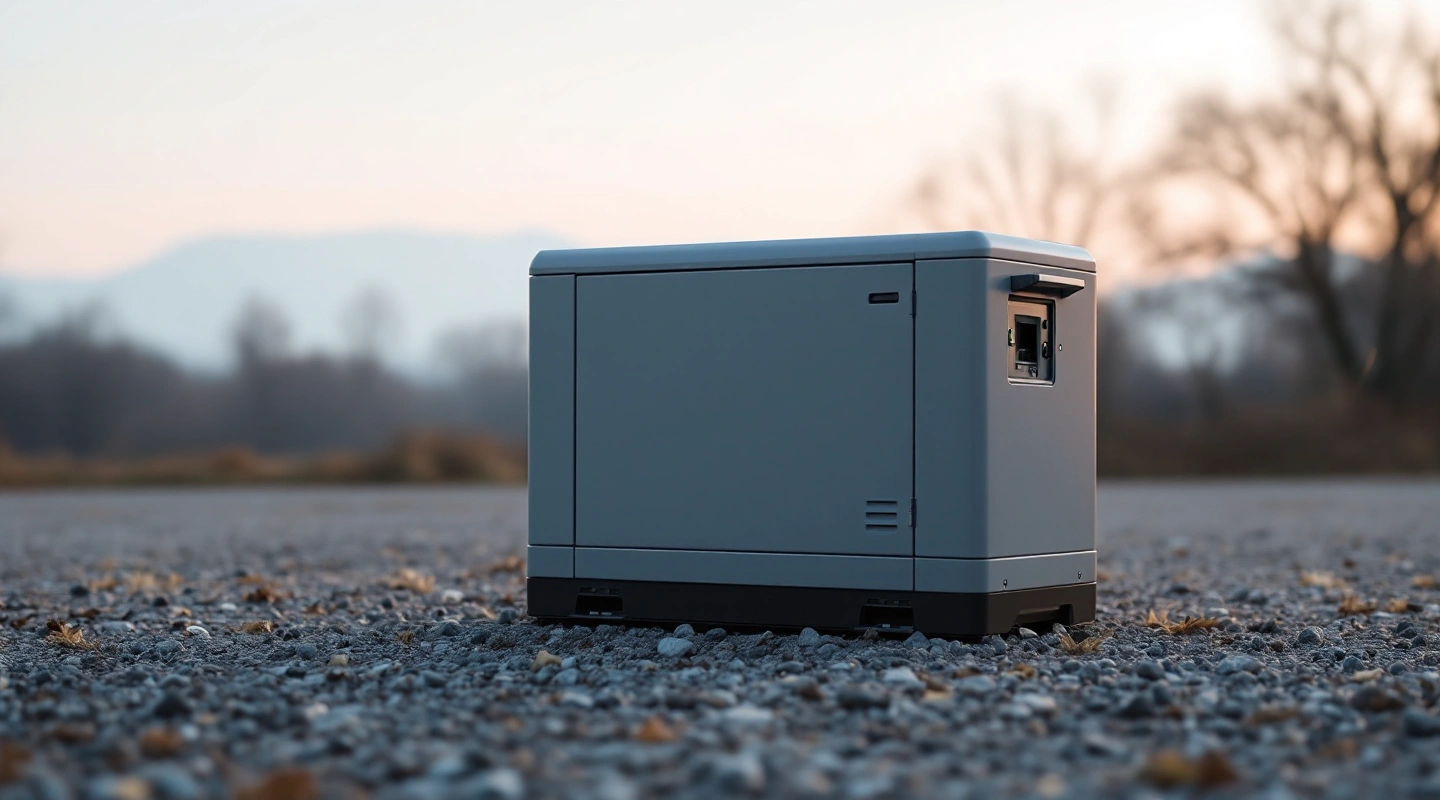
The Honda EU2200i is a small inverter generator. Like other inverter models, it uses an alternator plus power electronics. Honda lists 120 V output, 1800 W rated and 2200 W maximum (Honda EU2200i specifications). Dry weight is 47.4 lb.
It runs on gasoline from a 0.95 gal tank. Honda lists 3.2 hours of runtime at rated load. At quarter load, that rises to 8.1 hours. Honda lists sound at 57 dB(A) at rated load and 48 dB(A) at quarter load.
It uses a recoil start.
This unit may suit you if your outage list is short and all 120 V. First, add the running watts of everything you will use at once. That total should stay at or under 1800 W. Then add the starting gap for any motor load.
Use the method in the factors section below. If the result tops 2200 W, this unit is too small for that plan.
The main drawback is voltage. The EU2200i makes 120 V only. It cannot supply any load that needs 240 V. No adapter can create that missing voltage.
Its rated-load runtime is also short. Heavy use means more frequent refueling. CPSC says to shut the engine down and let it cool before each refill.
Use Honda's exact manual for the receptacle and connection details. Check the owner's manual before you plan cords or any home connection. It still must run outdoors, at least 20 feet from the home. If size matters most, our best small generator page compares compact options.
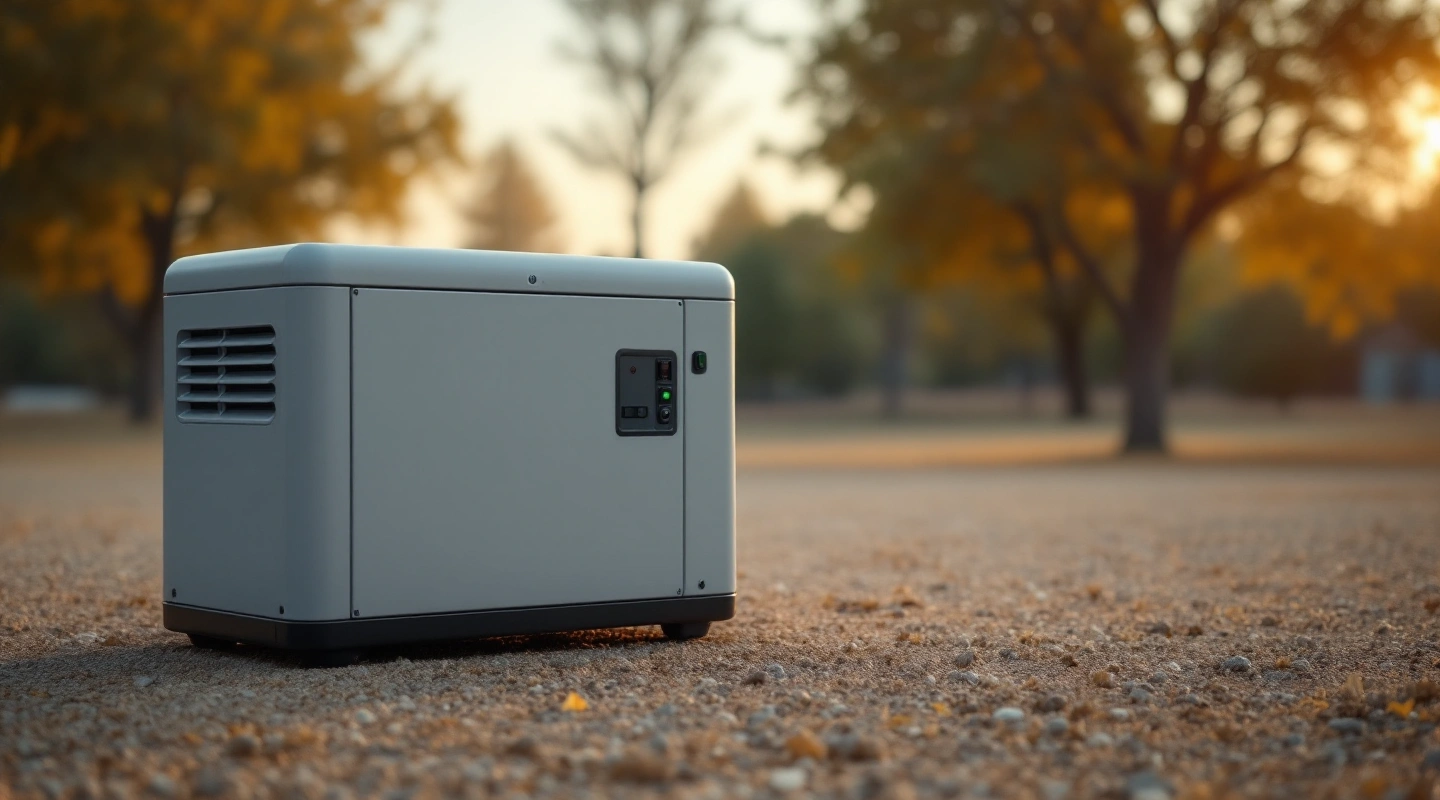
The Champion 201176 is an open-frame inverter generator. It runs on gasoline, propane or natural gas. Champion lists 120/240 V output (Champion 201176 specifications). Running watts are 7250 W on gasoline.
They are 6525 W on propane and 5875 W on natural gas.
That spread matters. On natural gas, the unit gives 1375 W less running output than on gasoline. Size your plan for the fuel you will actually use. The gasoline figure does not carry over to the other fuels.
This unit may suit you if you need 240 V output and want fuel options. It may also suit a planned home-circuit connection. That path needs a transfer switch or listed interlock. The equipment must match the generator, the inlet and your panel.
A licensed electrician must design and install it under local code.
Natural gas use brings its own checks. Your gas service must supply the pressure and flow the manual requires. Electric watts do not tell you that. A licensed gas fitter should handle any gas connection.
Gas service can also be interrupted, so it is not a guaranteed fuel.
Champion specifies 9000 W starting on all three fuels. Its lower natural-gas running output still limits the steady load. Match the circuit connection and starting load separately.
It is an engine unit, so it must run outdoors. Place it on a dry surface, at least 20 feet from the home. Point the exhaust away. Never run it in a garage, even with the door open.
The Westinghouse WGen11500TFc is the largest unit here. It is a tri-fuel engine generator with 120/240 V output (Westinghouse WGen11500TFc specifications). On gasoline, Westinghouse lists 11,500 W running and 14,500 W peak. On propane, it lists 10,500 W running and 13,500 W peak.
On natural gas, it lists 9,500 W running and 12,000 W peak.
Runtime data covers gasoline only. Westinghouse lists 19 hours at 25 percent load. At 50 percent load, it lists 9.5 hours. These figures do not apply to propane, natural gas or other load levels.
This unit may suit you if your running total is large and you need 240 V. It may also fit a home planning a licensed home-circuit connection. The product page describes pairing with the Westinghouse WATS200 automatic transfer system. This guide does not compare that system's full requirements.
Treat automatic operation as unresolved until you have exact compatibility documents.
Even with automation, this is an engine generator. It still needs a safe outdoor spot.
The biggest drawback is weight. Dry weight is 230 lb, far more than the Honda's 47.4 lb. Plan how you will move it and where it will sit before an outage. Follow its manual for setup.
The second drawback is fuel planning. Gasoline supply during an outage varies by area. Natural gas needs the right pressure and flow, checked by a licensed gas fitter. Propane needs a supply that matches the manual.
Receptacle types were not in the checked data. Confirm them, and the exact connection method, in the owner's manual.
Factors to consider when choosing best portable generator
Add up running and starting watts
Start with R. R is the running watts of everything that will run at the same time. Keep R under the running rating for your fuel.
Next, find each motor's starting gap. The gap is that unit's total starting watts minus its running watts. If the result is negative, count it as zero.
If only one motor starts at a time, your peak need is R plus the largest single gap. If motors can start together, add every gap that could overlap. Multiply each gap by how many of that motor start at once.
Do not add a full starting value on top of R. That counts the same motor twice. Also, do not assume motors never start together. Compare the result with the peak rating for your fuel.
Use each appliance's own nameplate or manual for its watts.
Some labels show only volts and amps. Volts times amps gives volt-amps, not watts, unless the power factor is known (Department of Energy units guide). Watts also differ from watt-hours. Watts measure power.
Watt-hours measure energy over time.
Match voltage and fuel
Voltage is a hard limit. The Honda EU2200i makes 120 V only. The Champion 201176 and Westinghouse WGen11500TFc list 120/240 V. A 240 V load needs a source that makes 240 V.
Fuel changes output on both tri-fuel picks. Each drops in steps from gasoline to propane to natural gas. That pattern comes from these two listed models only. Check every other model's own ratings.
Fuel pressure and flow, exact instructions and source voltage are separate checks. Passing one does not pass the others.
Plug-in use versus home-circuit connection
There are two ways to use a portable generator in an outage. The first is direct use. You plug appliances into the generator with suitable cords. This keeps the generator apart from home wiring.
The second is a home-circuit connection through a transfer switch or listed interlock. This equipment isolates the utility from the generator (Generac home connection guidance). The generator, switch, inlet, panel and circuits must all match. Installation belongs to licensed electrical trades.
Kit documents show contents, not fit. The Reliance 306CRK is a six-circuit, 30 A manual kit with a switch, inlet and ten-foot cord (Reliance 306CRK sheet). Generac model 6853 is a 30 A pre-wired manual switch kit (Generac manual transfer switch support article). The Reliance TF152W serves one circuit at 125 V and 15 A.
An RV receptacle does not prove approved home use. Still, 120 V output alone does not rule out every transfer product. Never backfeed through a wall outlet. Never change wiring, neutral bonding, gas lines or protection devices yourself.
Placement and carbon monoxide
Engine generators make carbon monoxide. CPSC says to run them outdoors, at least 20 feet from the home (CPSC carbon monoxide guidance). Point the exhaust away from the home. Never run one indoors or in a garage, even with doors open.
CPSC also advises a dry surface and dry hands (CPSC generator safety alert). Follow the maker's rules for wet weather. Install CO alarms. If an alarm sounds or you feel sick, get to fresh air right away.
Inverter and battery alternatives
Two picks here are inverter generators. An inverter unit still has an engine and an alternator. Power electronics then shape its output. The same outdoor placement rules apply.
A battery power station is a different tool. It stores energy instead of burning fuel. Compare it by watt-hours of storage and AC watts of output. See our best portable power stations guide for that comparison.
Product figures come from US manufacturer pages. Safety, unit and connection guidance comes from CPSC, Department of Energy and transfer-kit documents. Each fuel rating is listed on its own. Runtime and sound figures stay tied to the maker's stated load.
They are not ranked across brands, since test conditions can differ.
Check the exact model instructions for each outlet and transfer connection. Champion lists 9000 W starting on each fuel. Those figures still need to be checked against your appliance starts and the connection design.
Conditional verdict
Choose the Honda EU2200i if your plan is short, all 120 V and plug-in. Your running load must stay within 1800 W and your peak need within 2200 W.
Consider the Champion 201176 if you need 240 V and fuel options. First get its runtime, weight, starting and receptacle data.
Consider the Westinghouse WGen11500TFc if your load is larger and you can manage 230 lb. Treat automatic operation as unresolved until WATS200 documents confirm it. If none fit, compare a standby system or a battery station.
Decide how the generator will reach its operating spot
A portable label does not describe the full moving task. Walk the route from storage to the outdoor spot. Look for a step, loose gravel or a tight gate. Check whether the unit can stay level during that move.
A wheel kit helps on some routes. It does not make a heavy unit easy to lift.
Record who can move it when an outage starts. The person who accepts delivery may be away that day. A model that needs help to move can still work. The outage plan must include that help.
Keep the route clear before bad weather arrives. Do not make a garage the operating spot because the move is hard.
Separate plug-in loads from fixed house circuits
Write the connection method beside each essential load. A lamp with a plug is a different task from a hardwired pump. Do not put both in a single list marked home use. The connection choice affects the inlet and transfer design.
It also changes which loads can run at the same time.
For direct plug-in use, check the appliance cord requirements. For fixed circuits, get the exact connection design documented. A suitable voltage is one part of that check. It does not settle the neutral arrangement or panel fit.
Keep those matters tied to the equipment instructions. Do not change connections from a general internet example.
Keep a useful record of the final choice
Save the full model name with the chosen fuel. Add the running limit and the separate starting limit. Keep the source page or manual with that record. Then note the loads that you intend to leave off.
This makes the backup plan useful to another household member. It also shows when a new appliance needs a fresh load check.
Best portable generator FAQs
Can a portable generator run my whole house?
It depends on your total load and the fuel rating. The Westinghouse lists 9,500 W running on natural gas and 11,500 W on gasoline. Compare those figures with your own running total plus starting gaps. A licensed electrician must review any panel connection before you plan around it.
What is the difference between running and starting watts?
Running watts are steady output. Starting or peak watts cover the brief surge when a motor starts. Add all running loads first. Then add the largest starting gap if one motor starts at a time.
If motors start together, add every overlapping gap. Never count the same motor twice.
Does the fuel change how much power I get?
Yes, on the two tri-fuel picks here. The Champion 201176 lists 7250 W on gasoline and 5875 W on natural gas. The Westinghouse lists 11,500 W and 9,500 W for the same fuels. These numbers apply to these models only.
Check each other model's own ratings.
Can I run a portable generator in my garage during a storm?
No. CPSC says never run a portable engine generator indoors or in a garage, even with the doors open. Carbon monoxide is the danger. Run it outdoors at least 20 feet from the home, with exhaust pointed away.
Leave for fresh air if a CO alarm sounds.
Do I need a transfer switch for a portable generator?
You need one only to power circuits in your home panel. Plugging appliances into the generator with cords is a separate method. Any switch or interlock must match the generator, inlet, panel and local code. A licensed electrician must install it.