
Transfer switches and installation
Generator interlock vs transfer switch
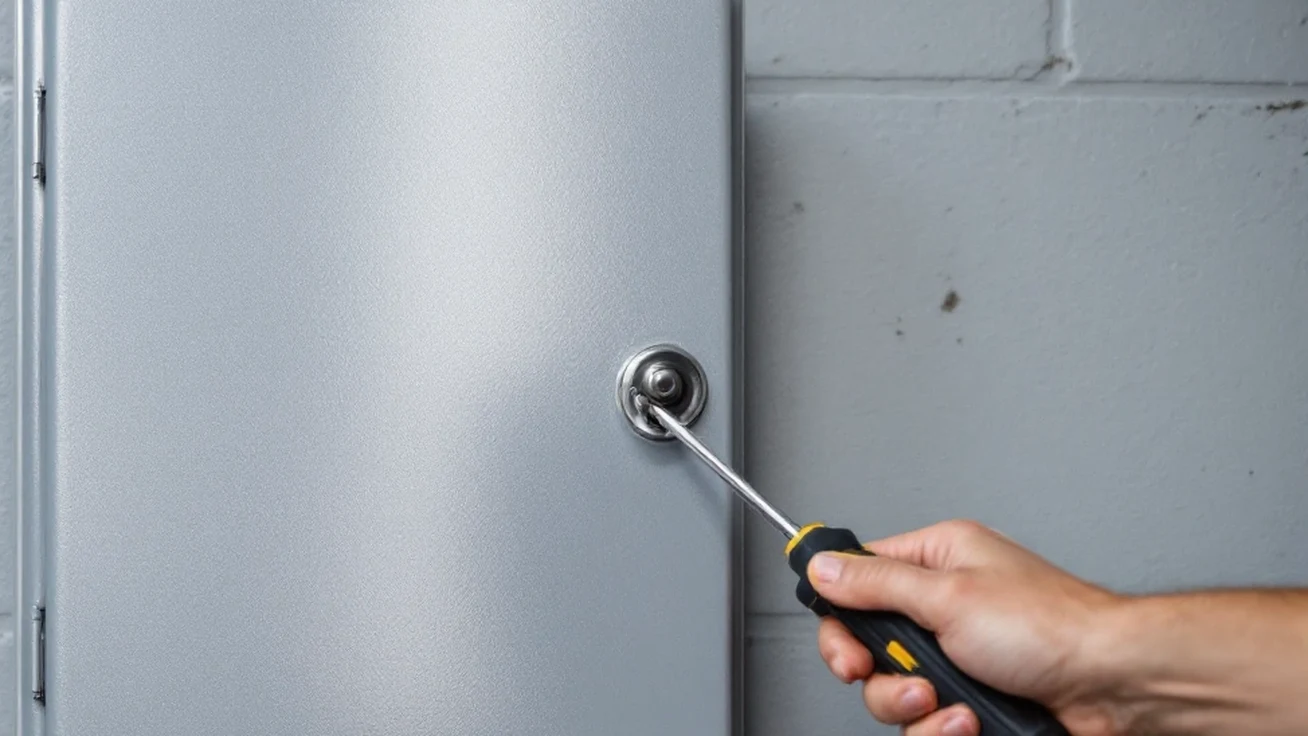
The short answer
Generator interlock vs transfer switch: Choose a listed interlock only when one is listed or accepted for your exact panel and local rules allow it. You must also be willing to manage loads by hand. Choose manual transfer gear when you want fixed circuits, but those circuits must match your generator and panel. Automatic operation depends on exact matched papers for the specific generator and transfer system. Licensed trades handle every install.
Last updated October 2026
Generator interlock vs transfer switch at a glance
| Feature | Listed interlock | Manual transfer equipment | Automatic transfer equipment |
|---|---|---|---|
| Where it sits | On the existing panel | Separate switch with matched parts | Separate system tied to a specific generator |
| Circuit access | Panel circuits the operator turns on | Circuits chosen and wired at install | Set by the exact system design |
| Who switches | A person, by hand | A person, by hand | The system, if documents confirm compatibility |
| Key check | Listed or accepted for the exact panel | Generator, switch, inlet and panel must match | Exact model pairing and order configuration |
| Examples here | None named | Reliance 306CRK, TF152W, Generac HomeLink 6853 | KOHLER 20RCA option, Westinghouse WATS200 pairing |
| Main drawback | Loads must be managed during each outage | Fixed-circuit kit scope; other designs differ | Pairing must be confirmed in documents |
Scroll for more →
What's covered10
- Generator interlock vs transfer switch at a glance
- How a listed interlock works
- How transfer switch equipment works
- Automatic operation and what the sources show
- Matching the generator to either method
- Outdoor placement still applies
- How to choose between an interlock and a transfer switch
- Sources, method and limitations
- Generator interlock vs transfer switch FAQs
- Generator interlock vs transfer switch Verdict
Generator interlock vs transfer switch is a choice about preventing backfeed. Backfeed means generator power flowing into home wiring while the grid side stays connected. Both methods aim to keep those two sources apart. They differ in how they operate.
They also differ in which circuits they reach. Each install has its own needs. Exact gear and local rules decide which method is allowed.
An interlock is a panel part. It must be listed or accepted for the exact panel. It lets the operator choose panel loads by hand. A transfer switch is separate gear. It keeps grid and generator power apart for its connected circuits. Manual models need a person to switch them. Automatic operation needs documented matched gear. Neither method has universal approval.
How a listed interlock works
An interlock mounts on an existing breaker panel. Its job is simple. It keeps the grid main and the generator feed from both being on. Generac's home connection guidance says an interlock must be listed or accepted for the exact panel.
It must also meet local rules.
The benefit is flexibility. The operator can choose which panel loads run during an outage. The drawback comes from that same feature. The operator must manage the selected loads.
Circuit protection does not replace a load plan. Every outage requires careful choices. Those choices must stay within the generator's rating.
A bracket made for one panel does not carry over to another panel. If the panel changes later, fit must be confirmed again.
How transfer switch equipment works
A transfer switch is dedicated gear, not a panel part. Generac describes manual transfer gear as isolating the grid and generator sources. The Generac HomeLink 6853 is a 30 A pre-wired manual kit. The article lists an upgrade path for standby units up to 11 kW, subject to system fit.
The Reliance Controls 306CRK is a six-circuit, 30 A manual kit. It contains a 306C switch, a PB30 inlet and a PC3010 ten-foot cord. That list shows what is in the box. It does not show that the kit fits a given home.
The Reliance TF152W covers one circuit at 125 V and 15 A. It uses a NEMA 5-15 inlet. The maker lists 1875 maximum generator running watts for a single furnace-type circuit. Its 125 V rating describes the part.
It does not describe every appliance.
Automatic operation and what the sources show
Automatic transfer gear switches without a person at the panel. The KOHLER 20RCA lists an automatic transfer switch sold separately as an option. KOHLER says model papers must confirm the exact order setup.
Automatic operation is not limited to standby units. The Westinghouse WGen11500TFc page describes pairing with the WATS200 automatic transfer system. This guide does not review that system's full needs. Automatic use stays unresolved without exact matched papers.
Generic standby controllers should not be assumed to work with it.
Matching the generator to either method
The panel device only keeps apart sources. The generator still sets voltage and capacity. Generac notes that an adapter cannot create a missing output voltage.
Source voltage varies by model. The Honda EU2200i is 120 V with 1800 W rated output. The Champion 201176 offers 120/240 V output. A 120 V source does not rule out every transfer system.
It must match the exact gear and circuits.
Outlets matter too. The Westinghouse iGen2550DFc has an RV TT-30R outlet. Westinghouse states it is not transfer-switch-ready.
For either transfer route, use the running rating for the fuel you plan to connect. A tri-fuel label does not give the same capacity on each fuel. The circuit list must fit that selected rating and the inlet limit. A larger switch cannot raise the generator's output. Check both documents before choosing which loads to keep.
Plan with the lowest figure for the fuel you will use.
Starting load needs care too. Add all running watts that run together. For one motor starting, add its largest gap between starting and running watts. If motors can start together, add each motor's gap.
Outdoor placement still applies
Neither device changes where an engine generator runs. CPSC guidance says portable engines go outdoors. They must sit at least 20 feet from homes. Exhaust must point away.
Never run one indoors or in a garage, even with doors open.
The CPSC safety alert adds more rules. Use a dry surface. Follow the maker's rain instructions. Shut down and cool the unit before refueling.
Never backfeed through a wall outlet. Standby units follow their own manual and local rules.
How to choose between an interlock and a transfer switch
An interlock may suit you if a listed one exists for your exact panel. Local rules must accept it. Someone must also be ready to manage loads during each outage.
Manual transfer gear may suit you if fixed circuits matter more than flexibility. The fixed-circuit kits here cover only their selected circuits. Other switch designs may serve a different scope. Automatic operation may suit you if exact papers confirm the pairing.
Review generator transfer switch install cost factors before budgeting. Start with what is a generator transfer switch for the basics.
Either way, licensed electricians install the gear. Avoid panel changes, neutral changes or bypassing protection yourself. Gas connections for fuel also belong to licensed trades.
Sources, method and limitations
This comparison uses maker pages, spec sheets and CPSC papers. Product figures came from each maker's US page or PDF.
Some limits apply. The sources do not name a specific interlock model. They do not settle code acceptance in any area. A product rating alone is not a full fit result.
Your panel, generator voltage, receptacle, inlet and circuits all need matching papers.
Generator interlock vs transfer switch FAQs
Is an interlock as safe as a transfer switch?
Both aim to keep grid and generator power apart. Safety depends on matched gear. It also depends on correct licensed install. An interlock must be listed or accepted for the exact panel.
A transfer switch must match the generator, inlet and panel. Neither is safer in every case.
Can a homeowner install either one?
Generac's guidance places install and service with licensed electricians. The generator, switch, inlet, panel and circuit design must all match. Product instructions and local codes apply to both methods. Panel and gas work should not be a do-it-yourself project.
Does an interlock power more circuits than a transfer switch?
An interlock lets the operator choose among panel circuits during an outage. A manual transfer switch powers only circuits wired at install. More access does not add capacity. The generator's running watts for your fuel still limit the total load at any moment.
Can a portable generator use automatic transfer equipment?
Some can, with specific gear. Westinghouse describes pairing the WGen11500TFc with its WATS200 automatic transfer system. Follow the WATS200 manual for the system's full requirements. Confirm with exact matched papers first.
Any engine generator still needs safe outdoor placement under CPSC guidance.
Primary documents
- CPSC portable engine generator placement
- Honda EU2200i exact US specifications
- Champion 201176 operator's manual specifications
- Westinghouse iGen2550DFc exact US specifications
- Westinghouse WGen11500TFc US product specification
- KOHLER 20RCA current specification
- Reliance Controls six-circuit transfer kit
- Generac HomeLink manual transfer kit
- Reliance Controls TF152W single-circuit transfer
- CPSC generator dry-surface and refueling safety
- Generac home connection safety
Generator interlock vs transfer switch Verdict
Generator interlock vs transfer switch: A listed interlock offers flexible circuit choice on a matched panel. Its drawback is manual load management during every outage. The manual kits compared here cover fixed circuits with matched parts. Its drawback is limited reach.
Automatic operation depends on exact model pairing papers. Local rules, panel listing and licensed install decide the final choice.