
Power stations and solar backup
Battery backup vs generator
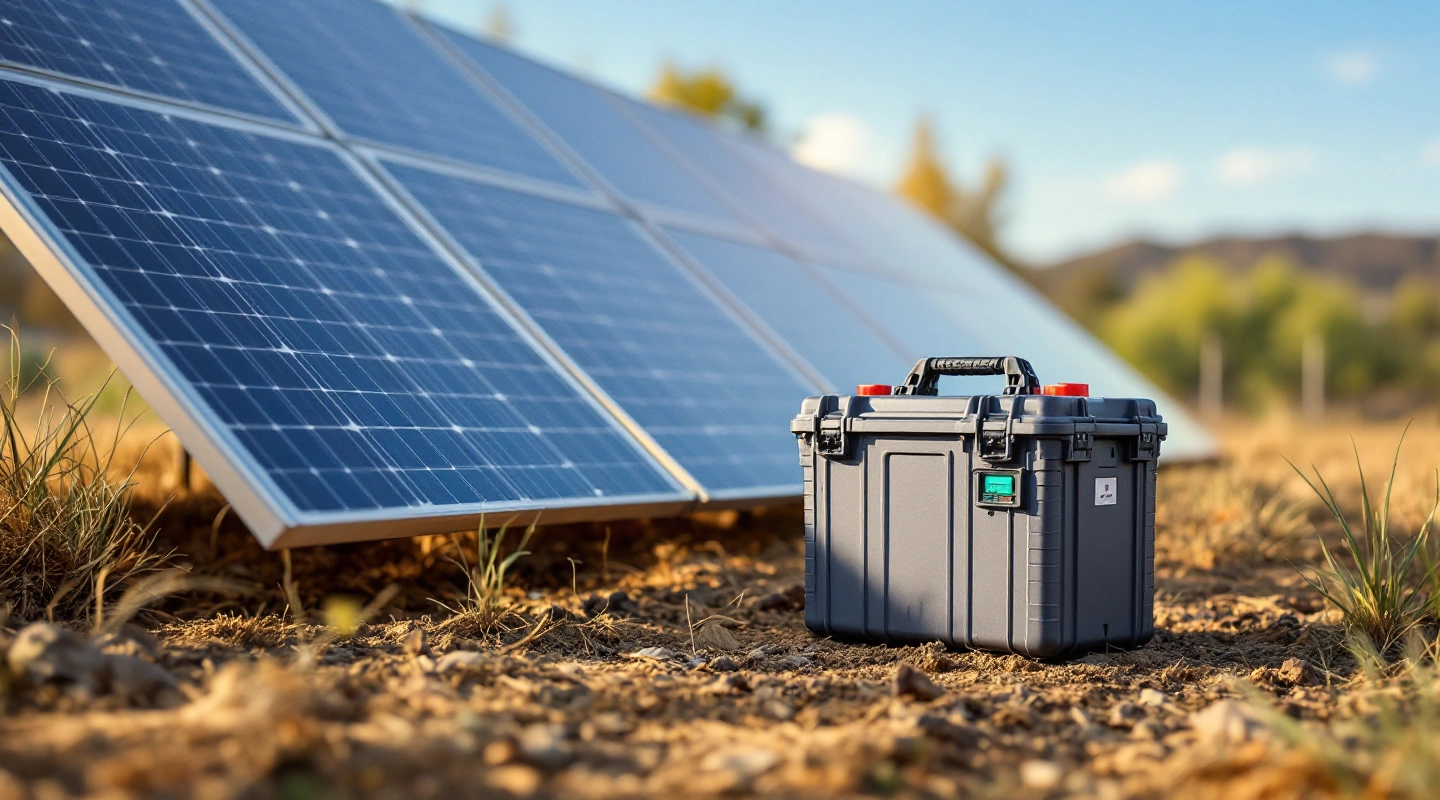
The short answer
Battery backup vs generator: Choose battery backup when its stored watt-hours cover your loads for the outage, or when you can recharge it. Choose an engine generator for longer outages only if you have fuel and a safe outdoor spot 20 feet from the home. For either one, check running watts, starting watts, voltage, receptacle type and runtime for your exact loads.
Last updated October 2026
Battery backup vs generator at a glance
The table lists figures as each maker publishes them. Runtimes apply only at the stated load.
| Unit | Type | Output | Energy or runtime | Voltage |
|---|---|---|---|---|
| BLUETTI AC200L | Battery | 2,400 W rated AC | 2,048 Wh | 120 V |
| Jackery Explorer 2000 v2 | Battery | 2,200 W rated AC | 2,042 Wh | 120 V |
| EcoFlow RIVER 2 Pro (768 Wh model) | Battery | 800 W | 768 Wh | 120 V |
| Honda EU2200i | Gasoline inverter | 1,800 W rated, 2,200 W max | 3.2 h at rated load, 8.1 h at quarter load | 120 V |
| Honda EU3000iS | Gasoline inverter | 2,800 W rated, 3,000 W max | 6.9 h at rated load, 19.6 h at quarter load | 120 V |
| Westinghouse WGen11500TFc | Tri-fuel portable | 11,500 W running on gasoline | 19 h at 25% load, 9.5 h at 50% load (gasoline) | 120/240 V |
| Generac Guardian 26 kW | Home standby | 26 kW LP, 22.5 kW NG max continuous | Not compared | 240 V rated |
Scroll for more →
What's covered10
- Battery backup vs generator at a glance
- Usable energy vs output power
- Starting loads and the math
- Multi-day outages and recharge
- Fuel choices on the listed generators
- Noise, placement and refueling
- Connecting a generator or battery to the home
- Sources, method and limitations
- Battery backup vs generator FAQs
- Battery backup vs generator verdict
Battery backup vs generator is a choice about energy, fuel and wiring. A battery holds a set amount of energy. An engine generator makes power while it has fuel. The better fit depends on your loads and on how long outages last.
A battery backup suits outages where its stored watt-hours cover your loads, or where you can recharge it. An engine generator suits longer outages if you have fuel and a safe outdoor spot. Output alone does not prove a fit. Check running watts, starting watts, voltage, receptacle type and runtime for your exact loads before you choose.
Usable energy vs output power
Power and energy are different things. Power is measured in watts or kilowatts. Energy is measured in watt-hours or kilowatt-hours. Watts times hours gives watt-hours.
A battery label shows both. The BLUETTI AC200L lists 2,048 Wh of storage and 2,400 W of rated AC output. The Jackery Explorer 2000 v2 lists 2,042 Wh and 2,200 W. Output tells you how much load the unit can carry at once.
Capacity limits how long it can carry that load.
A generator label shows output, not a stored total. Its runtime depends on fuel and load. The Honda EU2200i runs 3.2 hours at rated load from a 0.95-gallon tank. At quarter load, Honda lists 8.1 hours.
Watch for volt-amps too. For AC power, volts times amps gives volt-amps. You can only turn that into watts when the power factor is known.
Starting loads and the math
Some loads draw more power for a moment when they start. A rated output figure does not show whether a unit can handle that surge. You need the appliance's own running and starting data.
Start by adding the running watts of everything that runs at the same time. Call that total R. If only one load starts at a time, find the largest gap between a load's total starting watts and its running watts. Add that gap to R.
If several loads might start together, add each one's gap to R instead. Count a gap as zero if starting watts are not higher. Do not add a full starting figure on top of that same load's running watts. That counts the load twice.
Compare the result to the unit's published output. Then check voltage and receptacle type. A passing number is still only part of a fit.
Multi-day outages and recharge
A battery stops when its stored energy runs out. It then needs a recharge source. The AC200L lists solar and AC recharging. During a grid outage, AC charging needs another power source.
Solar output depends on conditions at your home.
This is why outage length changes the answer. A battery can cover a short outage if its watt-hours exceed what your loads use. For a longer outage, a battery with no recharge path is limited to its stored total.
An engine generator can run longer if fuel stays available. The Westinghouse WGen11500TFc lists 19 hours on gasoline at 25 percent load. At 50 percent load, it lists 9.5 hours. Gasoline availability varies by area, especially during a wide outage.
Plan fuel supply before you rely on runtime.
If you are weighing solar recharging, see our solar generator vs gas generator comparison.
Fuel choices on the listed generators
Some listed models run on more than one fuel. Their output changes with the fuel.
The Champion 201176 is a tri-fuel unit with 120/240 V output. It lists 7,250 W running on gasoline, 6,525 W on propane and 5,875 W on natural gas. The current DuroMax XP13000HXT manual lists 10,500 W on gasoline, 10,000 W on propane and 9,000 W on natural gas.
Match your unit's label and manual revision before sizing loads. Starting watts do not promise a motor will start or state how long peak output lasts.
The Westinghouse WGen11500TFc lists 10,500 W running on propane and 9,500 W on natural gas. The smaller Champion 201278 lists 3,500 W running on gasoline and 3,150 W on propane. Size your loads against the fuel you will actually use.
Natural gas supply is not guaranteed in every outage. Fuel pressure and flow are separate checks from electric output. They belong in the product instructions and with licensed gas trades.
Noise, placement and refueling
Honda publishes sound figures at set loads. The EU2200i lists 57 dB(A) at rated load and 48 dB(A) at quarter load. The EU3000iS lists 57 dB(A) at rated load and 50 dB(A) at quarter load. These numbers apply only to those models and loads.
Placement rules come from the CPSC Carbon Monoxide Information Center. Run a portable engine generator outdoors, at least 20 feet from the home. Point the exhaust away. Never run one indoors or in a garage, even with the door open.
The CPSC portable generator safety alert adds more steps. Use a dry surface and follow the maker's rules for wet weather. Do not touch it with wet hands. Shut it off and let it cool before refueling.
Install CO alarms, and get to fresh air if one sounds.
A standby unit's clearance comes from its own manual and local rules. Automated generators still need safe outdoor placement. For a battery, follow the exact instructions for that model.
Connecting a generator or battery to the home
Never plug a generator into a wall outlet. CPSC warns against this backfeeding. Manual transfer equipment keeps utility power and generator power apart. Generac's safety guidance says the generator, switch, inlet, panel and circuits must match.
Licensed electricians handle installation and service.
The Reliance 306CRK is a six-circuit, 30 A manual kit. It includes a switch, inlet and ten-foot cord. The Generac HomeLink 6853 is a 30 A pre-wired manual kit. The Reliance TF152W serves one circuit, with a 1,875 W generator running-watt limit.
Kit contents do not prove a match for your home.
Voltage matters. An adapter cannot create a voltage the source does not make. The Westinghouse iGen2550DFc has a 120 V RV TT-30R outlet, and Westinghouse says it is not transfer-switch-ready. Yet 120 V output alone does not rule out every transfer system.
Westinghouse describes pairing the WGen11500TFc with its WATS200 automatic transfer system. This guide does not review that system's full requirements. Standby units differ again. KOHLER sells the transfer switch for the 20RCA separately, so check the exact order configuration.
Battery units here list 120 V AC outlets, and panel connection needs that model's own documents.
Sources, method and limitations
Every figure comes from manufacturer pages, spec sheets and CPSC guidance. Runtime and sound figures stay tied to the load each maker stated. Missing figures are left out, not estimated.
This guide does not test units. It does not prove any appliance will run on any unit.
Battery backup vs generator FAQs
Is a battery or a generator better for a multi-day outage?
It depends on recharge and fuel. A battery stops at its stored watt-hours unless you can recharge it. A generator keeps running only while fuel lasts. The WGen11500TFc lists 19 hours on gasoline at 25 percent load.
Local fuel supply can still limit a long outage.
Can a battery backup run my fridge?
Output alone cannot answer that. You need the fridge's running watts, starting watts, voltage and plug type. Then compare them to the battery's output and outlets. Divide stored watt-hours by actual use to estimate hours.
The AC200L lists 2,400 W output and 2,048 Wh capacity.
Do I need a transfer switch with a portable generator?
To power house circuits, you need listed transfer equipment matched to the generator, panel and local rules. Never backfeed through a wall outlet. Reliance and Generac sell 30 A manual kits. Installation belongs to a licensed electrician, who follows the exact product instructions.
Can I run a generator in a garage with the door open?
No. CPSC says portable engine generators must run outdoors, at least 20 feet from the home. Point the exhaust away from the house. Never run one indoors or in a garage with the door open.
Standby clearances come from the unit's own manual and local rules.
Battery backup vs generator verdict
Battery backup vs generator: Pick battery backup when stored watt-hours cover your loads for the expected outage, or when you can recharge. Pick an engine generator for longer outages if you have fuel and a safe outdoor spot. For either one, confirm running watts, starting watts, voltage, receptacle type and runtime. Have licensed trades handle any home connection.