
Standby and whole house generators
Portable vs standby generator
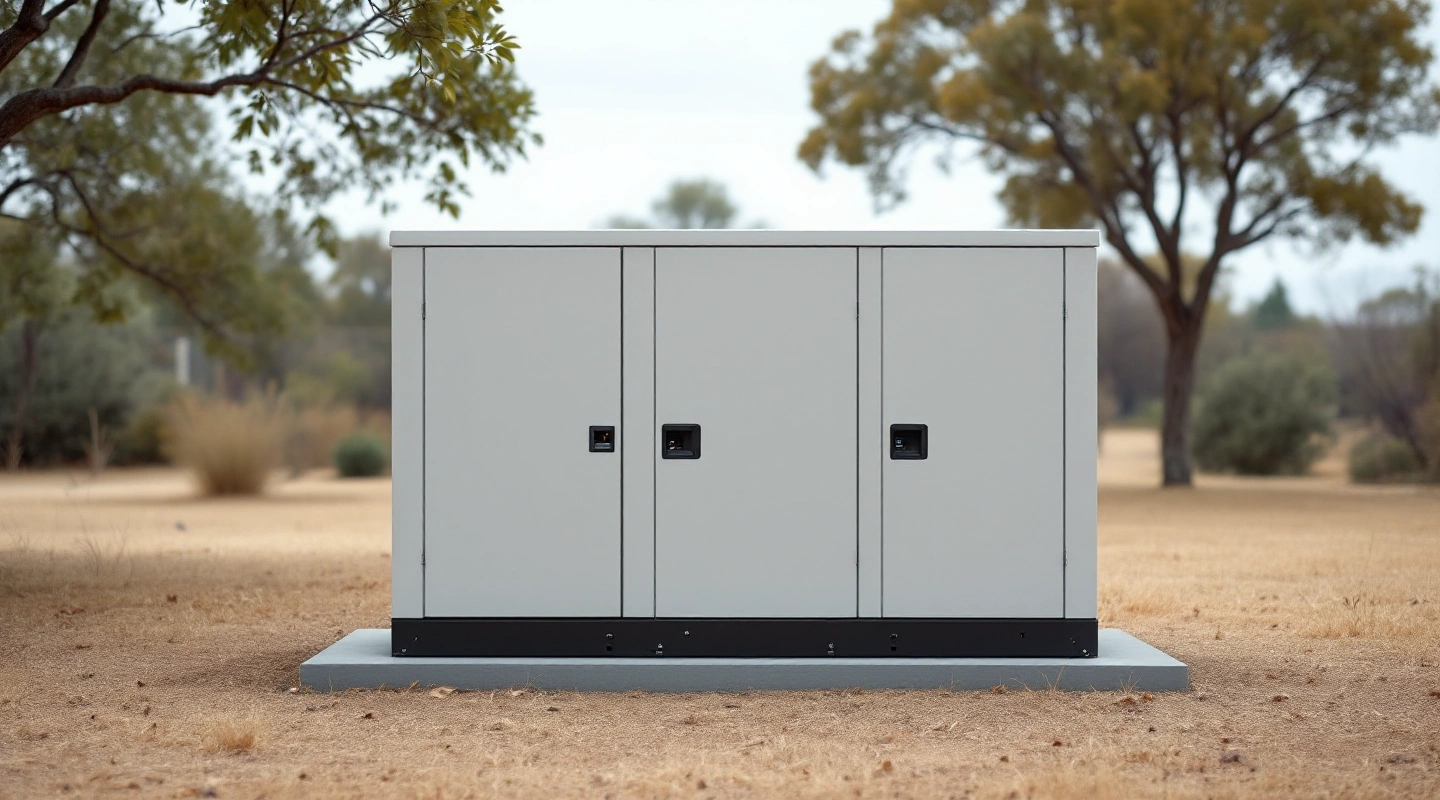
The short answer
Portable vs standby generator: Choose a portable generator if you accept manual setup and outdoor placement for every outage, and if a licensed electrician confirms a listed transfer device for your exact generator and panel. Choose a standby generator if you want a permanent install, your budget fits, and the exact order includes the transfer equipment your installer confirms.
Last updated October 2026
Portable vs standby generator at a glance
| Factor | Portable generator | Standby generator |
|---|---|---|
| Installation | Unit itself is not installed; transfer device is | Permanent install by licensed trades |
| Home connection | Listed transfer switch, inlet or accepted interlock only | Transfer switch per exact order |
| Fuel examples | Gasoline only on listed Honda models; gasoline, propane or natural gas on listed tri-fuel models | Natural gas or propane on listed models |
| Voltage examples | 120 V or 120/240 V, by model | 240 V or 120/240 V on listed models |
| Start | Manual on most listed models | Depends on transfer equipment ordered |
| Placement | Outdoors, at least 20 feet from homes | Set by the exact manual and local rules |
| Cost data here | No portable prices used | Generac range of $8,000-$16,000 |
Scroll for more →
What's covered11
- Portable vs standby generator at a glance
- Installation and home connection
- Fuel supply and output by model
- Outage readiness and automatic start
- Placement and carbon monoxide
- Sizing the same household load
- Where battery power stations fit
- Total cost
- Sources, method and limitations
- Portable vs standby generator FAQs
- Portable vs standby generator Verdict
Portable and standby generators can both back up a home during an outage. They work in very different ways, though. This guide compares them for the same household load. It covers installation, fuel, portability, outage readiness and total cost.
A portable generator is rolled out and started by hand for each outage. It reaches home circuits only through a listed transfer device that licensed trades install. A standby generator is installed for good, often with an automatic transfer switch. It costs more up front. Your load, voltage, fuel and budget decide which one fits your home.
Installation and home connection
A portable generator never plugs straight into home wiring. CPSC warns never to backfeed through a wall outlet. Instead, power reaches chosen circuits through manual transfer equipment. Generac explains that this equipment isolates the utility from the generator.
The parts must match each other. Generac says the generator, switch, inlet, panel and circuit design must all fit together. An interlock must be listed and accepted for your exact panel and local rules. Licensed electricians handle the install and service.
Kits show what is in the box, not what fits your home. The Reliance Controls 306CRK is a six-circuit, 30 A manual kit. It includes a switch, an inlet and a ten-foot cord. The Generac HomeLink 6853 is a 30 A pre-wired manual kit.
A standby generator is a permanent install from the start. Licensed trades handle the electrical and fuel work. Transfer equipment is not always included. On the KOHLER 20RCA, a listed option sells the automatic transfer switch separately.
The model documents must confirm the exact order.
Fuel supply and output by model
Fuel options differ by model, not just by category. The Honda EU2200i runs on gasoline. It is rated at 1800 W and holds 0.95 gallons. The Honda EU3200i is rated at 2600 W.
Both are 120 V models.
Some portables run on three fuels. The Champion 201176 lists 7250 W running on gasoline. It lists 6525 W on propane and 5875 W on natural gas. The Westinghouse WGen11500TFc lists 11,500 W, 10,500 W and 9,500 W for those same fuels.
On these listed models, gasoline gives the most running watts.
Standby models also rate output by fuel. The Generac Guardian 26 kW lists 26 kW on propane and 22.5 kW on natural gas. The Cummins RS20A brochure lists 20 kW on propane and 18 kW on natural gas.
No fuel supply is guaranteed. Gasoline availability varies by location. Fuel pressure and flow are a separate check from electric watts. Your installer confirms them against the exact manual.
Outage readiness and automatic start
The manually used portable models here need setup during each outage. You move it outside, start it and switch your circuits. The listed Honda models use recoil start. The EU3000iS adds electric start.
A standby system can switch over without anyone present. That depends on the transfer equipment in the exact order. Automatic start is not limited to standby units, though. The Westinghouse WGen11500TFc page describes pairing with a specific WATS200 automatic transfer system.
This guide does not compare that system's full requirements. Without its exact documents, its automatic use stays unresolved here.
Portability matters too. The EU2200i weighs 47.4 pounds dry. The WGen11500TFc weighs 230 pounds dry. A standby generator stays where it is installed.
Placement and carbon monoxide
CPSC gives clear rules for portable engine generators. Run them outdoors, at least 20 feet from homes. Point the exhaust away. Never run one indoors or in a garage, even with the door open.
CPSC adds more steps in its safety alert. Use a dry surface. Never touch the unit with wet hands. Shut it down and let it cool before refueling.
Install carbon monoxide alarms. Get to fresh air if an alarm sounds or symptoms start.
These outdoor rules still apply if a portable unit starts automatically. A standby unit's clearances come from its own manual and local rules. Placement for both types follows the CPSC carbon monoxide guidance.
Sizing the same household load
Start with R, the total running watts of everything on at once. Then add starting needs. If only one motor starts at a time, find each motor's starting watts minus its running watts. Add the largest gap to R.
If motors can start together, add every gap for those motors. Count a motor's running watts once, inside R.
Watts measure power. Watt-hours measure stored energy. Volts times amps gives volt-amps, not watts, unless the power factor is known.
Voltage is its own check. Listed Honda models are 120 V. The Champion 201176 and WGen11500TFc are 120/240 V. An adapter cannot create a missing voltage.
A 120 V output alone does not bar every transfer device. The Reliance TF152W is a 125 V, one-circuit switch. It allows up to 1875 generator running watts.
An RV outlet does not prove approved home use. The Westinghouse iGen2550DFc has a TT-30R outlet. Its page says it is not transfer-switch-ready.
Generator output is only one part of a match. You also need each appliance's running watts, starting watts, voltage and plug type. Runtime must match your outage length too.
Where battery power stations fit
Battery stations store energy instead of burning fuel. The BLUETTI AC200L lists 2,048 Wh and 2,400 W output. The Jackery Explorer 2000 v2 lists 2,042 Wh and 2,200 W. The EcoFlow RIVER 2 Pro lists 768 Wh and 800 W.
All three use 120 V US outlets. Follow each product's own instructions for use and recharging.
Total cost
Generac publishes an indicative US total of $8,000-$16,000 for standby backup. That covers the generator, system equipment, materials and installation. It is manufacturer guidance, not a quote or a national median. Location, fuel line, site and permits change the real total.
This guide uses no portable prices.
Sources, method and limitations
We compared each figure with manufacturer and CPSC documents. The Generac cost page shows no publication date. For Cummins, we used the maker's brochure for the ratings.
This guide does not test units or confirm any appliance fit.
Portable vs standby generator FAQs
Can a portable generator connect to my house wiring?
Only through listed transfer equipment that matches your generator, panel and circuits. Licensed electricians must install it under local codes. CPSC warns never to backfeed power through a wall outlet. A plug adapter is not a safe or approved substitute, and it cannot add a missing voltage.
Do standby units follow the same 20-foot rule?
Not exactly. CPSC's rule of at least 20 feet from homes applies to portable engine generators. A standby unit's clearances come from its own installation manual and local rules. Your installer sets that placement once.
Both types still need outdoor exhaust that cannot enter living spaces.
Which fuel gives the most running watts?
On the listed tri-fuel models, gasoline gives the most. The Champion 201176 and Westinghouse WGen11500TFc both rate propane lower and natural gas lowest. That pattern comes from these model tables only. Always size your load against the published rating for the fuel you will actually use.
Can a portable generator start automatically?
Some may, with specific equipment. The Westinghouse WGen11500TFc page describes pairing with a WATS200 automatic transfer system. This guide does not review that system's full requirements. Confirm exact compatible documents with a licensed electrician.
Outdoor placement rules still apply to any engine generator, automated or not.
Primary documents
- CPSC portable engine generator placement
- Honda EU2200i exact US specifications
- Honda EU3200i exact US specifications
- Honda EU3000iS exact US specifications
- Champion 201176 operator's manual specifications
- Westinghouse iGen2550DFc exact US specifications
- BLUETTI AC200L exact US specifications
- Jackery Explorer 2000 v2 exact US specifications
- Generac Guardian 26 kW specification sheet
- Westinghouse WGen11500TFc US product specification
- DuroMax XP13000HXT current US specification
- EcoFlow RIVER 2 Pro US 768 Wh model
- KOHLER 20RCA current specification
- Cummins QuietConnect current home-standby brochure
- Reliance Controls six-circuit transfer kit
- Generac HomeLink manual transfer kit
- Reliance Controls TF152W single-circuit transfer
- Generac published complete installation budget
- CPSC generator dry-surface and refueling safety
- Power and energy units
- Generac home connection safety
- BLUETTI AC200L cycle/storage record
- Jackery Explorer 2000 v2 cycle record
- EcoFlow RIVER 2 Pro cycle/storage record
- Generac G007290-0/G007291-0 published fuel consumption
Portable vs standby generator Verdict
Portable vs standby generator: Pick a portable generator if you accept manual setup for each outage. It also needs a confirmed, listed transfer device, safe outdoor placement and fuel you can get locally. Its drawbacks are hands-on work, refueling after cooling and limits from voltage and output. Pick a standby generator if you want a permanent install and your budget fits.
Confirm the transfer equipment in your exact order. For background, read what is a whole house generator.